Why forcing a stuck door can damage your lock (and what to do instead)
It happens to almost everyone sooner or later. You turn the key or twist the knob and nothing moves. The door feels jammed, and the natural reaction is to push harder, jiggle the handle, or lean a shoulder into it. That instinct to force a stuck door can turn a small nuisance into a broken lock, a damaged frame, or even a security risk. Understanding what causes a door to stick and how a professional lock rekeying service can help may save you time, money, and frustration.
Why doors get stuck in the first place
A door that used to open smoothly can become stubborn for many reasons. Seasonal changes in temperature and humidity cause wood to swell or shrink. A wooden door that fit perfectly in the summer may rub against the frame in the winter when the air is drier and the wood contracts. The same goes for metal doors, which can expand under direct sunlight and contract at night. Over time, hinges can loosen, settle, or corrode, throwing the door out of alignment.
Sometimes the problem is not the door itself but the lock mechanism. A worn key, a misaligned deadbolt, or a cylinder that has collected dust and grime can make a lock feel stiff or unresponsive. When the key does not slide in fully or turns with resistance, the temptation is to force it. That is where the trouble really begins.
What happens when you force a stuck door
Forcing a stuck door rarely solves the problem and often makes it worse. Here is what can go wrong:
- Damaged lock cylinder. The cylinder is the part of the lock that accepts the key and rotates to retract the bolt. Forcing a key that is not aligned or that meets resistance can break the pins inside the cylinder. Once a pin is bent or broken, the key may no longer work at all, or the cylinder may seize completely.
- Bent or broken key. A key is only as strong as the metal it is made from. Twisting a key against a stuck mechanism can snap it off inside the lock. Extracting a broken key is a delicate job that often requires disassembling the lock.
- Stripped screw heads or damaged strike plate. If the door is stuck because the latch or deadbolt is catching on the strike plate, forcing the door can bend the plate or strip the screws that hold it. That leads to a misaligned lock that will keep sticking even after the original cause is fixed.
- Door frame damage. Pushing hard on a door that is jammed can crack the wood of the frame, especially around the latch area. Repairing a door frame is more involved and costly than fixing a lock.
- Safety risk. If you are forcing the door from the inside because it will not open, you could become trapped in a room. In an emergency, a jammed door can be a serious hazard.
Once damage is done, a simple fix like rekeying may no longer be enough. You could be looking at replacing the entire lock or even the door itself.

Common causes of a stuck door that are not the lock
Before assuming the lock is the culprit, check these common sources of sticking:
Swollen or warped wood
Wood expands when it absorbs moisture. A door that sticks only in humid weather likely has a moisture problem. Sanding the edge of the door where it rubs can help, but be careful not to remove too much material or the gap will become uneven. A Toronto locksmith can also advise on whether the lock itself needs adjustment.
Loose or sagging hinges
If the door sags, the latch may no longer align with the strike plate. Tightening the hinge screws often fixes this. If the screws are stripped, longer screws that reach into the wall framing can provide a more secure hold.
Paint or varnish buildup
After several coats of paint, the edge of the door and the frame can build up enough thickness to cause sticking. Scraping or sanding the excess paint away can restore the fit.
Debris in the lock
Dirt, dust, and small particles can accumulate inside the keyway over time. Compressed air or a lubricant made specifically for locks (not WD‑40, which can attract more dirt) can clear the gunk. Never spray lubricant into a lock that already feels gritty; it can turn the debris into a paste.
When the lock itself is the problem
If the door moves freely but the key will not turn, or the key turns but the latch does not retract, the issue is inside the lock. This is where a professional lock rekeying service comes into the picture. Rekeying changes the internal pins of the lock so that a new key works while the old one no longer does. It is a cost‑effective alternative to replacing the whole lock, and it can also solve sticking problems caused by worn pins.
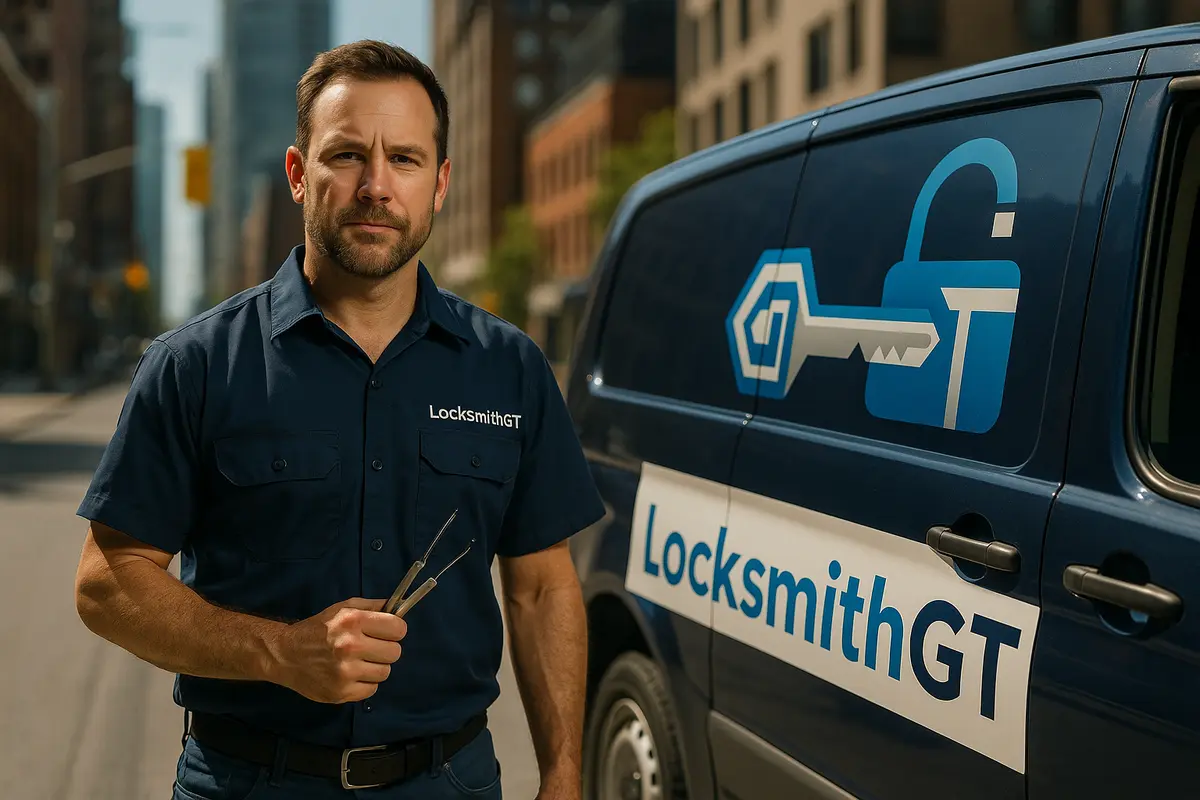
A lock that has been forced may have pins that are bent, chipped, or out of place. A locksmith can open the cylinder, inspect the pins, and replace any that are damaged. If the cylinder itself is cracked or corroded, the locksmith will recommend a new one. In many cases, rekeying restores smooth operation and gives you a fresh set of keys.
Non‑destructive entry: the safe way in
If you are locked out because the door is stuck and the key will not work, a professional locksmith can use non‑destructive entry techniques. That means they open the door without drilling the lock or damaging the frame. Methods include picking the lock, using a bypass tool, or inflating a small air wedge to create enough space to manipulate the latch. Non‑destructive entry preserves the lock so that it can still be rekeyed or repaired afterward. Attempting to force the door yourself often eliminates that option.
What to do when a door sticks
Here is a practical checklist for when you encounter a stuck door:
- Stop pushing. The more force you apply, the more likely you are to break something. Take a breath and step back.
- Check the obvious. Is the door locked from the other side? Is there a key in the lock on the opposite side? Is the deadbolt thrown? Sometimes the simplest explanation is the right one.
- Look for rubbing. Examine the gap between the door and the frame. If the door is touching the frame on one side, that is where the sticking is happening. Try lifting the door slightly as you turn the knob; if it opens, the hinges may need adjustment.
- Lubricate the lock. If the key goes in but turns with difficulty, a graphite or Teflon‑based lock lubricant can help. Insert the lubricant into the keyway and work the key in and out a few times. Wipe away any excess.
- Call a professional. If the door remains stuck or the lock feels damaged, contact a locksmith. They have the tools and experience to open the door without causing further harm.
A locksmith can also rekey the lock after entry, so you do not have to worry about a key that was stuck inside or a broken key fragment that was removed. Rekeying gives you a fresh start with a lock that works smoothly.
Why rekeying matters after a forced entry attempt
If you have already forced a stuck door and the lock now feels loose, gritty, or hard to turn, the internal mechanism is likely damaged. Ignoring the problem can lead to a lock that fails completely when you need it most. A lock rekeying service can restore the lock to good working order without the expense of a full replacement. The locksmith will disassemble the cylinder, replace any worn or broken pins, and cut a new key to match the new pin configuration. The result is a lock that operates smoothly and securely.
Rekeying is also a smart security measure if you have recently moved into a new home, lost a key, or had a key stolen. Even if the lock is not sticking, rekeying ensures that no one else can use an old key to enter. Many homeowners combine rekeying with other upgrades, such as installing a deadbolt or a smart lock, to improve convenience and safety.

Preventing stuck doors in the future
A little maintenance goes a long way. Here are a few habits that keep doors and locks working smoothly:
- Keep the keyway clean. Wipe your key before inserting it. Dirt on the key gets pushed into the lock, where it accumulates over time.
- Lubricate locks once a year. Use a lock‑specific lubricant. Avoid oil‑based products that gum up over time.
- Check hinge screws. If a door starts to sag, tighten the screws. If they spin without gripping, replace them with longer screws.
- Watch for seasonal changes. If a door sticks only in certain weather, plan to sand or plane the edge before the next season arrives.
- Have a spare key made. A worn key can cause sticking. If your key is getting shiny or thin, have a duplicate cut from the original before it breaks.
If you are in the greater Toronto area and need help with a stuck door, a Toronto locksmith can assess the situation quickly. They carry the tools and parts needed for most repairs on the first visit, so you are not left waiting.
Final thoughts
A stuck door is frustrating, but forcing it is almost never the answer. The damage done in a moment of frustration can turn a simple fix into a costly repair. Understanding what causes the sticking and knowing when to call a professional can save your lock, your door, and your peace of mind. Whether the solution is a hinge adjustment, a lubricant, or a full rekeying, taking the right approach from the start makes all the difference.